

Ready to add some fun and skill to your dart game? Learning how to play Cricket Darts is easier than you think, and once you get the hang of it, you’ll find yourself hooked.
Whether you’re a beginner or someone who wants to sharpen your strategy, this guide will walk you through the simple rules and winning tips. You’ll discover how to score points, close numbers, and outsmart your opponent with smart moves. Stick with me, and by the end, you’ll be confident enough to challenge your friends and enjoy every throw.
Let’s dive into the world of Cricket Darts and start hitting those targets!
Cricket Darts Basics
Cricket darts is a popular dart game that blends skill and strategy. It uses specific numbers on the dartboard. Players aim to hit these numbers to score points and close them.
Understanding the basics helps beginners enjoy the game and improve quickly. The rules are simple, making it easy to learn and play with friends.
Game Objective
The main goal is to “close” all target numbers before your opponent. Closing means hitting each number three times. After closing, you can score points by hitting those numbers again if your opponent has not closed them yet.
The game ends when a player closes all numbers and has equal or more points than the opponent.
Scoring System
Players score points only on numbers they have closed but the opponent has not. Each extra hit on a closed number adds points equal to that number’s value. For example, hitting triple 20 after closing it scores 60 points.
Points help to win if both players close all numbers. The player with the highest points wins.
Target Numbers
The numbers used in Cricket darts are 15, 16, 17, 18, 19, 20, and the bullseye. Each must be hit three times to close. The bullseye counts as two hits: outer bull is one hit, inner bull is two hits.
Focusing on these numbers helps players plan their throws and scoring.
Setting Up The Game
Setting up a game of Cricket darts is simple and quick. It lays the foundation for a fun and fair match. Proper setup ensures all players understand their roles and have the right equipment. This way, the game flows smoothly from start to finish.
Required Equipment
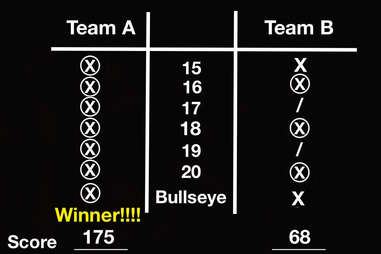
Cricket darts needs a dartboard, darts, and a scoreboard. Use a standard bristle dartboard with numbers 15 to 20 plus the bullseye. Each player needs three darts. A chalkboard or dry-erase board works well for scoring. Make sure the dartboard is hung at the correct height—5 feet 8 inches from the floor to the bullseye.
Player Roles
Two or more players can join the game. Each player takes turns throwing darts. The goal is to “close” numbers by hitting them three times. One player keeps score while others focus on aiming. Keeping track of hits and points is key to fair play.
Starting The Match
Decide who throws first by a coin toss or throwing a dart closest to the bullseye. The first player aims at the numbers 15 through 20 and the bullseye. Players alternate turns, throwing three darts each. The match continues until one player closes all numbers and has equal or higher points.
Rules And Gameplay
Cricket darts is a popular game that mixes skill and strategy. Understanding the rules and gameplay helps players enjoy it fully. The game focuses on hitting specific numbers and managing points. Each player aims to close numbers and score points before the opponent. The game requires concentration, accuracy, and quick thinking.
Hitting And Closing Numbers
Players target the numbers 15 through 20 and the bullseye. To close a number, a player must hit it three times. Each hit counts as one mark. Singles count as one hit, doubles as two, and triples as three. Once a number is closed by a player, they cannot score points on it anymore. The goal is to close all numbers before the opponent does.
Scoring Points
After a player closes a number, they can score points on it if the opponent has not closed it yet. Each additional hit on a closed number scores points equal to that number’s value. For example, hitting a closed 20 scores 20 points each time. Points add to the player’s total score. Scoring points while closing numbers puts pressure on the opponent.
Winning Conditions
A player wins by closing all the required numbers and the bullseye. They must also have the same or higher score than the opponent. If a player closes all numbers but has fewer points, they must keep scoring until they lead. The game ends as soon as a player meets both conditions. This balance of closing numbers and scoring points makes cricket darts exciting.
Essential Techniques
Playing Cricket Darts well requires good techniques. These skills help improve accuracy and control. Practice and focus make every throw better. The essential techniques include how to throw darts, how to aim, and drills to build skill.
Learning these basics helps players score more and enjoy the game. Each part plays a key role in your performance. Let’s explore the main techniques step by step.
Dart Throwing Mechanics
Hold the dart comfortably but firmly with your fingers. Use a smooth and steady motion to throw. Keep your elbow steady and move your forearm forward. Release the dart at eye level for better aim. Follow through by pointing your hand at the target. Avoid jerky or rushed movements to keep accuracy high.
Aiming Tips
Focus on the number you want to hit on the board. Keep your eyes on the target throughout the throw. Align your body with the dartboard for a straight path. Use a small aiming point on the board to guide you. Practice looking at the target, not the dart. Consistent aim improves your chances of scoring.
Practice Drills
Try aiming at one number repeatedly to build precision. Set small goals like hitting the triple or double sections. Use timed sessions to increase concentration under pressure. Practice closing numbers in sequence to simulate real game play. Record your progress to see improvement over time. Regular drills sharpen skills and boost confidence.
Early Game Strategy
The early game in cricket darts sets the tone for the match. A smart start can help you gain points and control the board. Focus on scoring and closing numbers efficiently. This phase requires careful targeting and strategic thinking. Below are key strategies to use early in the game.
Targeting High Numbers
High numbers like 20, 19, and 18 offer more points per hit. Aim at these first to build a strong score. Closing these numbers early limits your opponent’s scoring chances. Concentrate on hitting them three times to close the number. This tactic pressures your opponent and gains you more points.
Building Early Lead
Scoring points early creates a lead that forces your opponent to catch up. Use your darts to score on open numbers while closing critical ones. Keep track of your hits and adjust your throws to stay ahead. An early lead gives you more freedom in later rounds.
Avoiding Opponent’s Strategy
Watch your opponent’s moves closely. If they target certain numbers, avoid matching their plays exactly. Choose different numbers to score and close. This disrupts their plans and keeps you in control. Stay flexible and ready to change targets as needed.
Credit: www.thrillist.com
Mid-game Tactics
The mid-game phase in cricket darts is where strategy truly shapes the outcome. Players must balance scoring points and closing numbers. Thoughtful moves here put pressure on opponents and build a strong lead.
Timing and choice of targets become key. Adjusting your play based on the board’s state can shift momentum in your favor. Focus and planning improve your chances to win.
Strategic Closing
Closing numbers means hitting a number three times. Prioritize closing high-value numbers first. This reduces your opponent’s chance to score on them. Avoid rushing to close every number; pick those that limit your opponent’s options.
Watch your opponent’s hits. Close numbers they aim for often. This forces them to change targets and lose rhythm. Strategic closing controls the pace of the match.
Controlling The Board
Control the board by focusing on key numbers. Aim for numbers your opponent needs but has not closed. This forces defensive play. Make your opponent waste darts on defense rather than scoring.
Keep track of opened and closed numbers. Maintain pressure by hitting numbers your opponent has partially closed. This disrupts their strategy and keeps you ahead.
Using The Bullseye Effectively
The bullseye is a valuable target later in the game. The outer bull scores 25 points; the inner bull scores 50 points. Use the inner bull to close or score high points quickly.
Don’t waste early darts on the bullseye. Save it for moments when you need points or to close the bullseye. Accurate bullseye hits can decide close matches.
Late Game Moves
The late game in Cricket Darts requires smart moves. You have to think about closing numbers and scoring points. This phase can decide who wins. Focus on strong finishes and stopping your opponent.
Finishing Strong
To finish strong, close your remaining numbers quickly. Aim to hit three marks on each number left open. Use your best darts for these shots. Try to keep your score higher than your opponent’s. Closing numbers before they do gives you an edge.
Blocking Opponent’s Scores
Block your opponent by closing numbers they need to score points. Watch which numbers they target the most. Hit those numbers to prevent them from scoring. This forces your opponent to change strategy. It can slow their progress and give you control.
Advanced Dart Shots
Advanced shots include triples and doubles on key numbers. Use triples to close numbers faster or add more points. Doubles help finish a number exactly with fewer darts. Practice these shots to improve accuracy. They help in tight matches and late game pressure.
Common Mistakes To Avoid
Playing Cricket Darts well means avoiding common mistakes that slow your progress. Many players focus on the wrong numbers or miss chances to score. These errors cost points and let opponents gain control. Spotting these mistakes early helps you play smarter and win more games.
Chasing Opponent’s Numbers
Do not always aim for the numbers your opponent just hit. Following them wastes your darts and lets them close numbers faster. Instead, pick numbers they have not started hitting. This strategy keeps pressure on your opponent and helps you score points.
Ignoring High Scores
Many players avoid aiming for high numbers like 20 or 19. Ignoring these spots misses chances to build points quickly. High scores give a strong lead if you close them first. Focus on these numbers early to gain an advantage in the game.
Poor Target Selection
Randomly throwing darts without a plan lowers your chances of winning. Always pick targets based on what you need to close or score. Avoid wasting darts on numbers already closed by both players. Smart target selection keeps your game focused and effective.
Advanced Strategies
Advanced strategies in cricket darts refine your play and increase winning chances. These tactics focus on controlling the board and managing your score. Skilled players balance scoring points and closing numbers to stay ahead. They also force opponents into tough choices. Switching between offense and defense keeps the game dynamic and unpredictable. Below are key strategies to elevate your cricket darts game.
Balancing Points And Closing
Know when to score points and when to close numbers. Scoring too much early can leave openings for opponents. Closing numbers quickly can block opponents from scoring. Focus on closing high-value numbers after gaining some points. Keep track of both your and your opponent’s progress. Balance helps maintain pressure and control the game pace.
Forcing Defensive Play
Target numbers your opponent needs to close. This forces them to throw darts defensively. Defensive throws limit their chance to score points. Aim for numbers your opponent has hit once or twice. Forcing defense shifts momentum in your favor. It creates openings for you to score freely.
Switching Between Offense And Defense
Adjust your strategy based on the game state. Play offensively to build points when opponents are behind. Switch to defense to close numbers and block scoring. Changing tactics keeps opponents guessing your next move. Flexibility improves your chances to outplay opponents. Stay alert and adapt quickly during the match.
Tips For Beginners
Starting to play Cricket Darts can feel tricky at first. Beginners need clear guidance to enjoy and improve. Simple tips help build confidence and skill quickly. Focus on learning the basics before trying complex strategies.
Practice regularly and keep your goals small. Each game teaches something new. Patience and steady effort lead to better play over time.
Starting Simple
Begin by understanding the scoring system clearly. Aim for the numbers 15 to 20 and the bullseye. Hit each number three times to close it. Don’t rush to score points early. Concentrate on closing numbers first. Use light throws to find your aim. Keep your stance steady and relaxed.
Building Consistency
Throw darts with the same motion every time. Develop a smooth and steady grip. Focus on hitting the target area consistently. Practice aiming for one number at a time. Avoid changing your technique too often. Regular practice sessions improve muscle memory. Track your progress to see steady improvement.
Learning From Each Game
Review your performance after every match. Note which numbers you hit often and which you miss. Adjust your focus based on this feedback. Learn how your opponent plays and adapt. Understand when to close numbers and when to score. Stay calm even if you fall behind. Each game is a chance to improve.
Tips For Pros
Improving your Cricket Darts skills takes more than just practice. Pro players focus on specific areas to gain an edge. These tips help sharpen your play and boost your chances of winning. Follow simple strategies that pros use to refine their technique and mindset.
Refining Accuracy
Focus on consistent throwing. Aim carefully at the numbers you need to close or score. Practice hitting the triple and double rings regularly. Use slow, controlled movements for better precision. Track your progress by noting which numbers you miss most. Adjust your stance or grip until your throws feel steady. Small improvements in accuracy greatly affect your game outcome.
Mastering Game Control
Control the pace of the game by choosing targets wisely. Prioritize closing numbers that your opponent is close to finishing. Score points only when it benefits your lead. Avoid chasing your opponent blindly. Switch targets to keep them off balance. Use the bullseye strategically to gain or block points. Managing the board keeps you in a strong position throughout the match.
Psychological Edge
Stay calm under pressure and focus on each throw. Do not rush your shots, even if behind. Use confident body language to unsettle your opponent. Keep track of their tendencies and adapt your tactics. Silence distractions and maintain a positive mindset. Mental toughness often decides close matches. Practicing mental skills alongside physical throws can improve your overall play.

Credit: www.youtube.com
Practice Routines
Consistent practice is key to improving your Cricket Darts skills. A well-structured routine helps build accuracy and strategy. Focused practice sessions make learning efficient and enjoyable.
Practicing regularly sharpens your aim and timing. It also builds confidence for real matches. Below are essential practice techniques to enhance your Cricket Darts performance.
Targeted Drills
Target specific numbers on the board to improve accuracy. Practice hitting triples and doubles of these numbers. Repeat until you can consistently hit them. This drills your muscle memory and focus.
Switch between numbers to simulate real game conditions. Include bullseye shots to prepare for all scenarios. These drills sharpen your precision and control.
Tracking Progress
Keep a practice log to record your scores and improvements. Note which numbers are hardest to hit. Track your hit rate for triples, doubles, and bullseyes. This data shows your strengths and weaknesses.
Review your progress weekly to adjust practice focus. Celebrate small wins to stay motivated. Tracking helps you see real growth over time.
Improving Under Pressure
Simulate match conditions by timing your throws. Add pressure by imagining a close game score. Practice finishing games with limited darts. This builds calmness and focus.
Play practice matches against friends or use apps for competition. Handling pressure improves decision-making and accuracy. Stay relaxed and trust your training.

Credit: www.wikihow.com
Frequently Asked Questions
How Do You Play The Cricket Dart Game?
In Cricket darts, players aim to hit numbers 15-20 and bullseye three times each. Close numbers by scoring three hits. Score points on open numbers while blocking opponents. The first to close all targets and have equal or higher points wins.
What Is The Strategy Of Cricket Darts?
Cricket darts strategy balances scoring points and closing numbers quickly. Target high, open numbers early. Shift focus to closing numbers to block opponents. Use bullseye strategically late. Adapt play by leading or trailing to control the game’s pace and force opponents into defensive throws.
How To Win Cricket Darts For Beginners?
Aim to hit numbers 15-20 and bullseye three times each to close them. Balance scoring and closing strategically. Target high numbers early and save bullseye for later. Close numbers your opponent needs to block their scoring. Practice accuracy and adapt your strategy during the game.
How Do You Count Up In Darts Cricket?
In darts cricket, count up by scoring points on numbers your opponent hasn’t closed. Each hit beyond three counts adds points. Close numbers by hitting them three times. Score on open numbers to increase your total until all are closed.
Conclusion
Playing Cricket Darts is fun and easy to learn. Focus on hitting numbers three times to close them. Try to score points when your opponent hasn’t closed a number yet. Remember to plan your moves and watch your opponent’s progress.
Practice regularly to improve accuracy and strategy. Enjoy the challenge and have fun playing with friends. With time, your skills will grow, and the game will become even more exciting. Keep practicing and stay patient—it makes all the difference.