

Have you ever wondered what it takes to achieve perfection in darts? Imagine hitting the bullseye every single time with just nine darts—sounds almost impossible, right?
That’s exactly what a nine dart finish is: the ultimate, flawless leg of darts where the player finishes the game in the minimum number of throws. If you’re curious about why this feat is so rare and why it’s celebrated like a legendary moment in the darts world, you’re in the right place.
Keep reading, and you’ll discover what makes a nine dart finish so special, how it’s done, and why every darts fan dreams of witnessing one. Your journey to understanding this perfect game starts here.
Nine Dart Finish Basics
The Nine Dart Finish Basics form the foundation of understanding one of darts’ most exciting feats. This achievement showcases a player’s skill, precision, and focus. It represents the shortest possible way to finish a leg in darts. The concept might seem complex, but the essentials are straightforward and fascinating.
Grasping these basics helps both new and seasoned fans appreciate the sport more deeply. Here, we explore what a nine dart finish means, the minimum throws required, and common scoring patterns used by players.
What It Means
A nine dart finish means completing a leg with just nine darts. It is the perfect leg in darts. Players start with a score of 501 and aim to reduce it to zero. Doing this in nine darts is the fewest possible throws. This feat requires hitting high scores consistently and finishing on a double.
Minimum Throws Required
The minimum throws required to finish a leg is nine. Each dart counts as one throw. So, nine darts equal three turns, as each turn allows three darts. No player can finish a leg in fewer than nine throws. Achieving this shows top-level skill and accuracy.
Common Scoring Patterns
Players often follow specific scoring patterns. A popular route is hitting three triple 20s in the first two turns, scoring 180 points each time. This leaves 141 points for the final three darts, which are typically finished using combinations like triple 20, triple 19, and double 12.
For beginners aiming to improve scoring consistency, you can explore our guide on how to play 501 darts for a complete understanding of scoring strategies.
Why It’s So Rare
A nine dart finish is one of the rarest feats in darts. It means completing a leg in just nine throws, the fewest possible. Many players try, but few succeed. The difficulty lies in the mix of skill, focus, and pressure needed. Each dart must hit a precise target to reach exactly 501 points.
Skill And Precision Needed
Hitting the exact number with nine darts takes great skill. Players aim for specific triples and doubles. Missing by even one point ruins the chance. Professional players practice for years to improve their accuracy. The margin for error is extremely small. The darts must land perfectly in the right sections.
Pressure And Focus Factors
The pressure during a nine dart finish attempt is intense. Players feel the eyes of the crowd and cameras on them. Any distraction or loss of focus can cause a miss. Mental strength is as important as physical skill. Keeping calm and steady hands is crucial. The tension grows with every dart thrown.
Comparison To Other Sports
A nine dart finish is like a perfect score in bowling or a hole-in-one in golf. These moments are celebrated because they happen so rarely. In sports, perfection is hard to reach and maintain. Darts demand consistent precision in a short time. This makes the nine dart finish a special achievement.
Classic Nine Dart Combinations
The classic nine dart combinations show the skill and precision needed in darts. Completing a nine dart finish means scoring 501 points in just nine throws. This is the fewest possible throws to win a leg. Many players use well-known sequences to reach this perfect score. These sequences often include hitting triple 20s, but there are other routes as well.
Knowing these combinations helps players plan their shots and understand the game better. Here are some popular classic nine dart combinations used by professionals.
Triple 20 Sequences
The most common approach is hitting triple 20s for the first six darts (scoring 180 each turn) and then finishing the remaining 141 points with combinations like triple 20, triple 19, and double 12.
For players interested in practicing precision, check out our best darts for beginners guide to find darts that improve accuracy and comfort.
Alternative Finishing Shots
Not all nine dart finishes end with the same doubles. Some players use different triples and doubles to finish. For example, a player might finish with triple 17, triple 18, and double 18. Others use triple 20, triple 15, and double 18 or triple 19, triple 14, and double 20.
These alternative shots add variety and challenge. They require good planning and precise aiming. Players choose based on their strengths and confidence.
Famous Nine Dart Routes
There are several famous nine dart routes known around the darts world. One is the “180, 180, 141” route. It means scoring 180 points twice, then finishing with 141 points. Another famous route is “174, 180, 147.” This uses a different starting score but still finishes in nine darts.
Many great players have used these routes in big matches. They show the balance between power and accuracy needed for a nine dart finish.
Historical Moments
A nine dart finish is a perfect game in darts, completed in just nine throws. It shows top skill and focus by the player. Such moments are rare and celebrated in darts history.
The nine dart finish is a rare and special event in darts history. It marks a perfect leg where a player finishes the game in just nine throws. This feat shows great skill and focus. Many moments in darts have made the nine dart finish famous. These moments inspire players and excite fans worldwide.
First Recorded Nine Dart Finish
The first recorded nine dart finish happened in 1908. It was achieved by John Smith in a competition in England. This early achievement set a high standard for darts players. At that time, the sport was growing, and this perfect leg captured attention. Since then, players have chased this perfect score with passion.
Notable Players And Matches
Many players have made history with their nine dart finishes. Phil Taylor, known as “The Power,” hit multiple perfect legs. Michael van Gerwen also amazed fans with his fast and precise throws. Matches where nine dart finishes happen often become legends. They are remembered for the skill and pressure shown by the players.
Televised Nine Dart Finishes
The first televised nine dart finish was in 1984. John Lowe achieved this during the World Matchplay event. This moment brought the perfect leg to a wider audience. Televised matches helped make the nine dart finish more popular. Fans could see the excitement and tension live on screen. Since then, many perfect legs have been broadcast worldwide.
Practice Tips To Achieve a Nine Dart Finish
Improving Accuracy
Accuracy is the heart of a nine dart finish. Practice hitting triple 20s repeatedly, refine your grip, and check your stance. Using tools like a dartboard floor protector or a quality dartboard ensures your practice sessions are realistic and safe.
Mental Preparation
Visualize each perfect throw, stay calm, and set small goals like landing three perfect darts in a row. Mental strength is as important as physical skill.
Training Drills
Drills such as “Around the Clock” help improve scoring consistency. You can learn more in our guide on how to play Around the Clock darts for targeted practice routines.
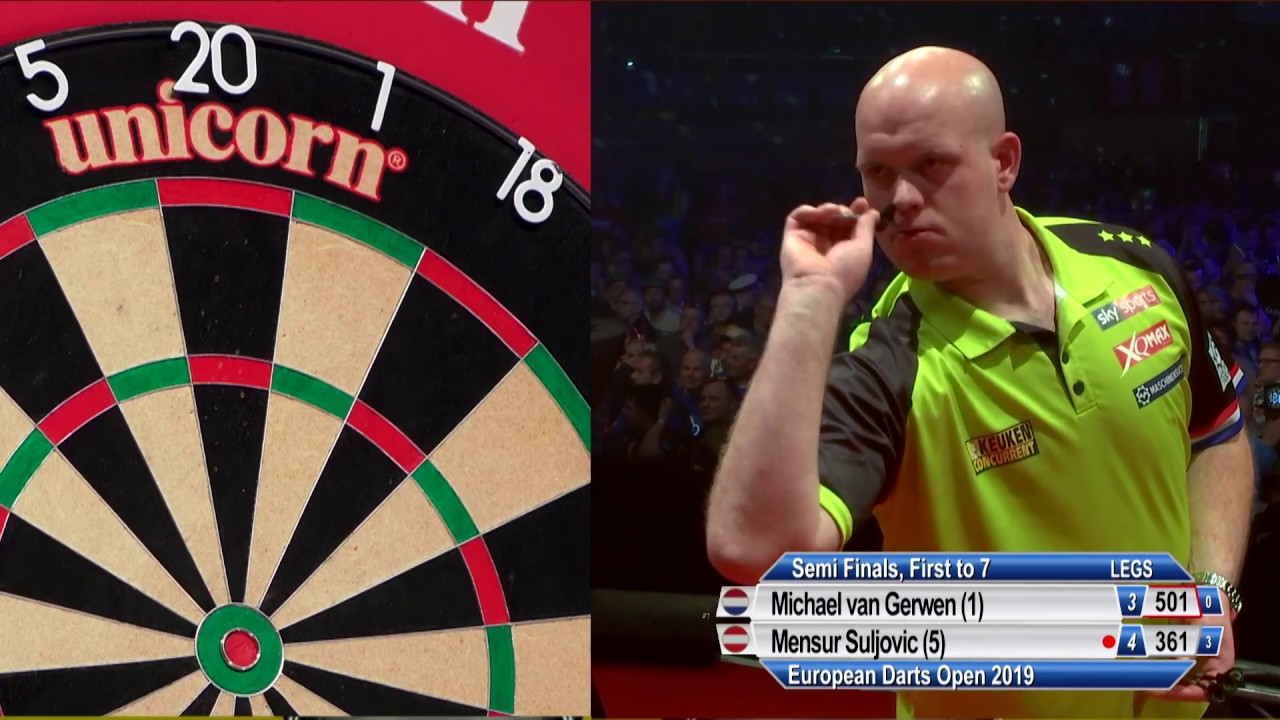
Credit: www.youtube.com
Nine Dart Finish In Competitions
A Nine Dart Finish in competitions is the highest achievement in darts. It means a player hits the required score in just nine darts, the fewest possible. This feat shows extreme skill, focus, and precision under pressure. Achieving a nine-dart finish during a major event instantly makes headlines.
Such moments are rare and celebrated by fans and players alike. They add excitement and drama to competitions. Here is how a Nine Dart Finish influences different aspects of the game during competitions.
Prize Money And Rewards
Many tournaments offer special prize money for a nine-dart finish. This bonus often matches or exceeds regular winnings. It encourages players to aim for perfection in every leg. Sometimes, sponsors also give extra rewards or gifts. Prize money boosts players’ motivation and adds to the event’s prestige.
Impact On Player Rankings
A nine-dart finish can improve a player’s rankings significantly. It shows consistency and top-level performance. Ranking points earned from such moments help players climb leaderboards. Higher rankings lead to better tournament seedings and invitations. It also increases players’ confidence and reputation in the sport.
Audience Reactions
Fans react with loud cheers and applause after a nine-dart finish. The crowd’s energy rises instantly, creating memorable moments. Audience excitement often spreads on social media and broadcasts. This reaction highlights how rare and thrilling the accomplishment is. It makes the competition more engaging for everyone watching.
Darts Terminology
Understanding darts terminology helps grasp the excitement of a nine dart finish. Darts has unique words players use often. These terms explain the game’s key parts and actions. Knowing them makes watching or playing more fun and clear.
Key Terms Related To Nine Dart Finish
A nine dart finish means hitting 501 points in just nine throws. Each throw includes three darts. The fewest darts to win a leg is nine. This is why the term “nine-darter” is popular.
“Leg” means one game in darts. “Checkout” is the final score needed to win. “Triple 20” is the highest scoring single dart, worth 60 points. Players aim for this to finish fast.
Common Jargon In Darts
“Oche” is the line players stand behind to throw darts. “Bust” happens if a player scores too many points and goes below zero. Then, the turn ends with no score change.
“Ton” means 100 points. “180” is the highest score possible with three darts. It is three triple 20s in one turn. “Marker” is the person who keeps score during a game.
Useful Phrases For Players
Players often say “Stay on the wire” to mean hit the thin scoring line. “In the zone” means playing with full focus and skill. “Check your out” reminds players to plan their final shots.
“Flight” refers to the wings on the back of a dart. “Shaft” is the middle part of a dart. These small parts help control the dart’s flight path.

Credit: commons.wikimedia.org
Technology And Tools
The path to a nine dart finish involves more than skill and practice. Technology and tools play a key role in helping players improve and achieve this rare feat. From the dartboards they use to the design of the darts themselves, every detail matters. Modern analytics also provide valuable insights to refine techniques and strategies.
Dartboard Types
Different dartboard types affect game play and scoring. The most common board is the bristle dartboard made from sisal fibers. It offers durability and self-healing properties. Electronic dartboards are popular for soft-tip darts and include automatic scoring. Tournament boards follow strict size and segment rules to ensure fairness. Choosing the right dartboard helps players practice under realistic conditions.
Dart Design And Materials
Darts vary in weight, shape, and materials. Tungsten is the preferred material for professional darts due to its density and slim profile. The barrel design affects grip and balance. Flights and shafts influence the dart’s flight path and stability. Advances in materials and design provide better control and accuracy. Players select darts that suit their throwing style and comfort.
Use Of Analytics In Training
Data analysis has become a vital tool in darts training. Video recordings allow players to study their throwing motion and spot errors. Software tracks scores, accuracy, and consistency over time. Some apps offer drills and challenges based on player performance. Coaches use analytics to tailor practice sessions. This technology helps players focus on weak areas and improve faster.
Frequently Asked Questions
How Do You Do A 9 Dart Finish?
A 9 dart finish means scoring 501 points in nine darts. Typically, players hit triple 20 three times twice, then finish on triple 20, triple 19, and double 12. It requires perfect accuracy and focus.
How Rare Is A Nine-dart Finish?
A nine-dart finish is extremely rare and considered a perfect leg in darts. Only top professionals achieve it.
What Do They Get For A 9 Dart Finish?
Players often receive cash prizes, trophies, or special bonuses for achieving a nine-dart finish in professional darts.
What Is The Classic 9 Dart Finish?
The classic 9 dart finish is a perfect leg in darts, completed in exactly nine darts—the fewest possible. It requires hitting specific high-scoring targets to reach zero from 501 points. This rare feat showcases exceptional skill, precision, and focus under pressure in professional darts.
Conclusion
A nine dart finish shows true skill and focus in darts. It takes just nine darts to complete a leg perfectly. This rare feat excites both players and fans alike. Achieving it requires precision and calm under pressure. Every dart counts, making the moment very special.
Many players dream of hitting a nine-darter in competition. Now you know why it is so famous in darts. Keep practicing, and maybe you will see one soon.