
If you love playing darts, you know how quickly your walls can take a beating from stray throws. Those tiny holes and marks aren’t just unsightly—they can ruin the look of your favorite game space.
But what if you could enjoy every toss without worrying about wall damage? You can, and it’s easier than you think. You’ll discover expert tips and simple solutions to protect your walls while still having a blast playing darts. Keep reading to find out how to keep your game sharp and your walls spotless!
Credit: gldproducts.com
Dartboard Types And Wall Safety
Choosing the right dartboard affects how well your walls stay safe during play. Different dartboards use various types of darts, each posing unique risks to your wall. Understanding these types helps protect your wall from marks, holes, and dents. Use this guide to match your dartboard choice with the best wall safety measures.
Magnetic Dartboards For Beginners
Magnetic dartboards use darts with blunt magnetic tips. These darts stick to the board without piercing it. Walls stay safe because the darts cannot damage them. This type suits children and beginners learning the game. It offers a fun, low-risk way to play darts indoors. No need for extra wall protection with magnetic boards.
Electronic Soft-tip Boards
Electronic dartboards use soft plastic tips instead of steel points. These soft tips reduce wall damage if darts miss the board. The board’s surface absorbs the impact, protecting your walls. Soft-tip darts are lighter and safer for indoor play. They require less wall protection but still benefit from a dart surround.
Traditional Steel-tip Boards
Steel-tip darts have sharp points that can easily damage walls. Walls get holes or marks if darts miss the board. Use foam or cork surrounds to catch stray darts. These surrounds stop darts before they hit the wall. Installing a backboard adds extra defense for your walls. Traditional boards need the most protection to keep walls safe.

Credit: www.amazon.com
Professional Wall Protection Options
Protecting your wall while playing darts is essential for any dart enthusiast. Professional wall protection options offer reliable solutions to prevent damage from stray darts. These products are designed to absorb impact and keep your walls looking neat. Installing one of these can save you time and repair costs.
Foam Surrounds
Foam surrounds are thick rings made from soft foam material. They fit around the dartboard perfectly. When a dart misses the board, the foam catches it gently. This prevents dents and holes in your wall. Foam surrounds also protect your darts from breaking. They are easy to install and come in different sizes.
Cork Dartboard Rings
Cork rings offer a natural and durable option. Cork is soft enough to stop darts without damaging them. It also hides marks and small holes well. These rings attach around the dartboard with adhesive or hooks. Cork is lightweight and looks good on most walls. It is a popular choice for home dart rooms.
Backboards And Wall Guards
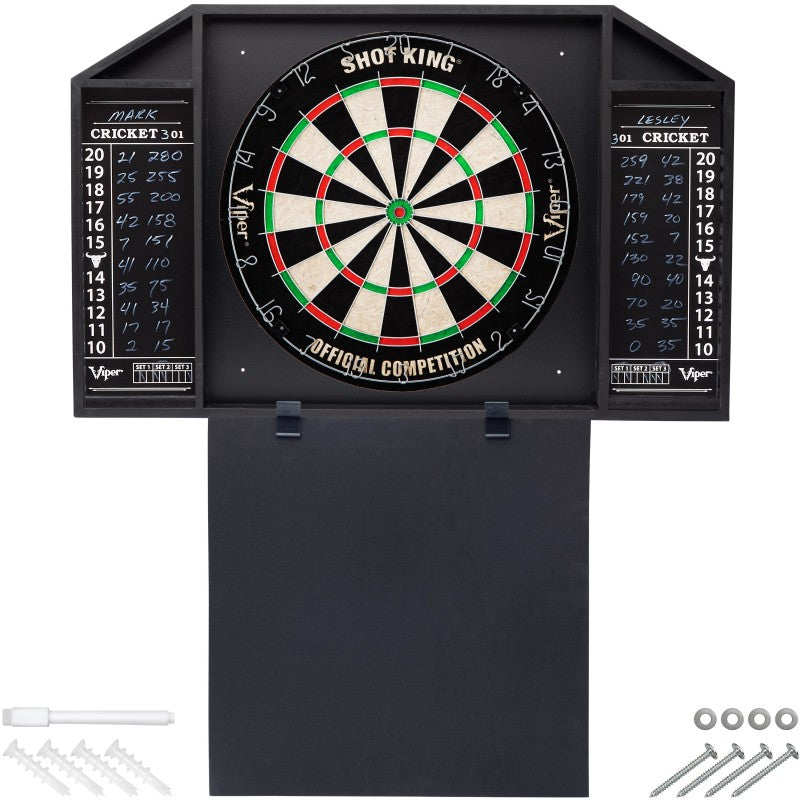
Backboards are large panels placed behind the dartboard. They cover a wider area to catch stray darts. Wall guards work similarly but may be made from different materials. Common materials include wood, foam, or composite boards. These guards protect your wall and add style to your dart space. Some backboards include storage for darts and accessories.
Diy Wall Protection Ideas
Protecting your wall from dart damage is simple with DIY solutions. These ideas use easy materials you can find at home or buy cheaply. You can create effective barriers that stop darts from leaving marks or holes. Each method suits different spaces and budgets.
Layered Foam Panels
Foam panels absorb the impact of stray darts. Use several layers for better protection. Cut them to fit around your dartboard area. Attach panels with strong adhesive or nails. Foam is lightweight and easy to replace. It also reduces noise when darts hit the wall.
Cork Board Installations
Cork boards catch darts gently without damage. Mount a large cork board behind your dartboard. Cork is soft but sturdy and self-heals from dart holes. Choose thick cork sheets for longer use. Fix the boards with screws or wall hooks. This method looks natural and blends well with home decor.
Carpet And Plywood Barriers
Combine carpet and plywood for tough wall protection. Attach plywood to the wall as a solid base. Cover it with carpet to cushion dart hits. This setup absorbs force and hides marks easily. Use screws to secure plywood firmly. Choose dense carpet for better dart stopping power.
Building A Wooden Wall Protector
Build a wooden frame to shield your wall. Use softwood planks and assemble a box around your dartboard. Fill the frame with foam or cork inside for extra padding. Paint or stain the wood to match your room style. Mount the protector securely to prevent movement. This durable shield keeps walls safe and looks neat.
Tips To Minimize Wall Damage
Protecting your wall from dart damage keeps your space neat and your game area safe. Small holes and marks can add up quickly. Taking simple steps reduces the risk of wall damage. These tips help maintain both your walls and your darts in good condition.
Using Soft Tips On Bristle Boards
Soft-tip darts cause less damage than steel tips. They have plastic points that are less likely to puncture walls. Using soft tips on bristle boards helps protect your wall from stray darts. This choice reduces holes and marks, keeping your wall intact.
Proper Placement And Mounting
Place the dartboard at the right height and distance from the wall. Mount it securely to avoid movement during play. Use a dartboard surround or backboard to catch missed darts. This setup prevents darts from hitting and damaging the wall behind.
Maintaining Dart Condition
Keep your darts in good shape to avoid wall damage. Check for bent or loose tips and replace them when needed. Sharp and well-maintained darts stick better to the board. This reduces the chances of darts bouncing off and hitting the wall.
Safe Play For Kids And Beginners
Keeping kids and beginners safe while playing darts is important. Darts can be sharp and cause damage or injury without proper care. Choosing the right equipment and setting up a safe play space reduces risks. This ensures fun without worry.
Kid-friendly Dart Options
Soft and safe dart types are best for young players. Plastic darts with blunt tips prevent injuries. These darts are lighter and easier to handle. They help kids learn aiming and throwing skills safely. Avoid steel-tip darts for children to protect walls and fingers.
Magnetic And Soft-tip Benefits
Magnetic dartboards use metal darts with magnets instead of sharp tips. This design stops damage to walls and players. Soft-tip darts are plastic-tipped and work with electronic boards. They reduce the risk of holes or marks on walls. Both types are great for beginners and kids learning the game.
Setting Up A Safe Play Area
Choose a space away from fragile items and heavy foot traffic. Use a dartboard surround or foam backing to protect walls. Place a soft mat under the board to catch dropped darts. Keep the area well-lit and free from obstacles. Clear rules and adult supervision help maintain safety during play.
Maintaining Wall And Board Condition
Maintaining the condition of your wall and dartboard helps keep your playing area neat. It also extends the life of your dart equipment. Regular care prevents damage and keeps the board ready for every game.
Simple steps can protect your wall and board from wear and tear. These actions make your dart setup look good and function well for a long time.
Regular Inspection
Check your dartboard and wall often for any signs of damage. Look for holes, cracks, or loose parts on the board. Notice any marks or dents on the wall around the board area. Early detection helps fix small problems before they worsen.
Make inspection part of your routine, especially after heavy play sessions. This habit saves you from costly repairs later.
Cleaning And Repair Tips
Keep your dartboard clean by wiping it with a dry cloth after use. Avoid using water or harsh cleaners that can ruin the board’s surface. For walls, gently clean marks with a soft sponge and mild soap.
Repair small wall holes using putty or filler. Sand the area smooth once dry and repaint if needed. Fix any loose screws or mounting brackets on your dartboard to keep it secure.
Replacing Protective Materials
Protective materials like cork surrounds or foam backboards wear down over time. Replace them when they show deep holes or tears. Fresh protective layers absorb missed darts better and protect your wall more effectively.
Use quality materials designed for dart play. Proper protection reduces wall damage and keeps your darts in good shape.

Credit: www.doubletopdartshop.com
Frequently Asked Questions
How To Prevent Wall Damage From Darts?
Use a foam or cork dartboard surround to catch stray darts and protect walls. Magnetic or soft-tip dartboards also prevent damage. DIY backboards with foam panels or cork work well. Always aim carefully and install protective barriers behind your dartboard for best results.
What Dart Board Doesn T Damage Walls?
Magnetic and soft-tip electronic dartboards prevent wall damage by using plastic or blunt darts. For steel-tip darts, use foam or cork surrounds to protect walls from stray throws.
What To Put Behind A Dart Board To Protect The Wall Diy?
Place foam panels, cork boards, or thick carpet squares behind the dartboard to absorb stray darts and protect walls effectively.
Can Soft Tip Darts Damage Walls?
Soft tip darts rarely damage walls due to their plastic tips. Stray throws may cause minor marks. Use a dartboard surround to protect walls effectively.
Conclusion
Protecting your wall while playing darts is simple with the right steps. Use a dartboard surround or backboard to catch stray darts. Magnetic or soft-tip dartboards reduce wall damage too. DIY options like foam panels or cork boards offer good protection on a budget.
Place the board at the right height and distance for safer play. These tips keep your walls clean and your darts in good shape. Enjoy your game without worrying about marks or holes on your walls. Safe play means more fun and less repair work.