
Choosing the right dartboard can make all the difference in your game, whether you’re just starting out or aiming to sharpen your skills. You might have heard the terms “bristle” and “sisal” thrown around and wondered what sets them apart.
Are they different materials, or just different names? Understanding the subtle but important differences between bristle and sisal dartboards will help you pick the perfect board for your playing style and budget. Keep reading to discover which option offers better durability, accuracy, and value—so you can hit your target every time.
Materials And Construction
The materials and construction of dartboards play a key role in their quality and performance. Understanding these aspects helps players choose the right dartboard for their needs. Bristle and sisal dartboards are often mentioned together because they share similar features but differ in details.
Both types rely on natural fibers, but the way these fibers are processed creates differences. These differences affect durability, feel, and how the board handles wear and tear. Below, we explore the main components that define bristle and sisal dartboards.
Sisal Fibers Explained
Sisal fibers come from the leaves of the agave plant. They are strong and flexible, making them perfect for dartboards. The fibers are tightly packed to create a dense surface. This density helps the board resist damage from dart hits. Sisal boards are known for lasting a long time because of these fibers.
Bristle Board Composition
Bristle boards are made from compressed sisal fibers. The term “bristle” often refers to the natural sisal boards used in many dart games. The fibers are arranged to form a solid, even surface. The construction keeps the board firm but allows some give when darts hit. This balance reduces bounce outs and protects the darts.
Learn more about dartboard materials in our best type of dart board guide.
Self-healing Properties
Sisal fibers have a unique self-healing ability. After a dart is removed, the fibers close up the hole naturally. This keeps the board looking smooth and ready for the next throw. Self-healing extends the life of the board and maintains its playing surface. It also helps keep scoring accurate by preventing big gaps or tears.
Durability And Longevity
Durability and longevity are key factors when choosing between a bristle and sisal dartboard. Both types offer strong resistance to damage, but their lifespan depends on fiber quality and care. Understanding these aspects helps pick a board that lasts longer and performs well over time.
Wear And Tear Resistance
Bristle and sisal dartboards resist wear differently. Sisal fibers naturally close holes after dart removal. This “self-healing” feature reduces visible damage and prolongs board life. Bristle boards, made from compressed sisal, share this trait but vary by fiber density.
Boards with lower fiber quality show faster wear. Constant play can flatten fibers, increasing bounce-outs. High-quality sisal boards handle repeated use better and maintain a smooth surface.
Effect Of Fiber Density
Fiber density directly impacts durability. Dense sisal fibers provide tight compression, making the board tougher. This density helps darts stick firmly and lessens bounce-outs. Less dense boards wear faster and may need replacement sooner.
Professional-grade dartboards use high-density sisal for longer playtime. Budget boards often use mixed fibers, which wear down more quickly but cost less.
Maintenance Tips
Proper care extends the life of both bristle and sisal boards. Rotate the board regularly to spread wear evenly. Avoid exposing it to moisture or extreme temperatures, which damage fibers.
Cleaning with a dry cloth removes dust and debris. Avoid water or cleaning sprays that can weaken the fibers. Using sharp darts also helps reduce excessive damage to the board.
For tips on protecting your dartboard and extending its life, check out our how to clean and care for your dartboard guide.
Performance And Playability
Performance and playability are vital when choosing between bristle and sisal dartboards. Both types use sisal fibers, but quality and construction affect how they play. Understanding their differences helps players enjoy better games and longer board life.
Bounce-out Rates
Bristle dartboards generally have lower bounce-out rates. Their denser fiber packing absorbs dart impact well. Darts stick firmly, reducing frustrating rebounds. Sisal boards with lower fiber density may cause more bounce-outs. This can interrupt the game and affect scores.
Dart Retention And Grip
Sisal fibers naturally grip dart tips firmly. High-quality bristle boards use tightly compressed sisal for strong retention. This keeps darts in place during play. Lower-grade sisal or bristle boards may not hold darts as well. Good dart retention improves game flow and player confidence.
Consistency And Accuracy
Consistency is key for accurate throws. Premium sisal dartboards offer uniform surface density. This means less variation in dart impact and hole shape. Bristle boards with better sisal fibers provide consistent feel and response. Less dense boards can cause uneven surfaces, affecting accuracy. Reliable boards help players improve their skills steadily.

Credit: www.dartmangames.com
Design And Features
The design and features of bristle and sisal dartboards affect their playability and durability. Both types offer unique qualities that influence dart performance and maintenance. Understanding these aspects helps choose the right board for your needs.
Wire Thickness And Placement
Bristle and sisal boards use thin wires to separate scoring sections. Thinner wires reduce dart bounce-outs and improve scoring accuracy. The wires are usually embedded flush with the board surface. Some boards use spider wire designs, placing wires around scoring areas to minimize interference. Proper wire placement ensures smooth dart penetration and less deflection.
Bullseye Construction
The bullseye is the most targeted area on any dartboard. High-quality boards have reinforced bullseyes to withstand frequent hits. Sisal fibers tightly compress around the bullseye for durability. Some boards include metal rings or extra layers to protect this area. A well-built bullseye keeps the board intact longer and improves scoring consistency.
Board Size And Weight
Standard dartboards measure 18 inches in diameter. Both bristle and sisal boards maintain this size for official play. Weight varies slightly based on fiber density and backing material. Heavier boards tend to stay stable on walls, reducing movement during play. Lightweight options are easier to hang but may shift more with dart impact.
Cost And Value
Cost and value play a big role in choosing between bristle and sisal dartboards. Both types share similar materials but differ in price and quality. Understanding these differences helps pick the best board for your needs and budget.
Price Range Differences
Bristle and sisal dartboards often fall into the same price range. Basic models start around $20 to $40. Mid-range boards cost between $50 and $100. Premium sisal boards, used in tournaments, can go over $150. Cheaper boards use lower-quality fibers or blends. Expensive boards have denser, tightly packed sisal fibers.
Quality Vs Budget Options
Budget options still offer decent play but wear out faster. These dartboards may show holes and lose shape quickly. Higher-quality sisal boards last longer due to better fiber density. They self-heal faster and resist damage. Quality boards also reduce bounce-outs and improve scoring accuracy. Budget boards suit casual players or beginners. Serious players benefit from investing in quality boards.
Long-term Investment
Spending more on a quality sisal dartboard saves money over time. Durable boards need fewer replacements. They maintain performance after heavy use. A good board also enhances the playing experience. Cheaper boards may require frequent replacements, adding cost in the long run. Choosing a quality board means better value and satisfaction.
Choosing The Right Board
Choosing the right dartboard depends on your experience and goals. A good board improves your practice and enjoyment. Both bristle and sisal dartboards share many qualities but suit different players. Understanding these differences helps you pick the perfect board for your needs.
For Beginners
Beginners benefit from affordable and durable boards. Bristle dartboards with lower-density sisal fibers work well. They handle frequent throws and rough play. These boards offer a classic dart feel without high cost. Beginners can practice confidently without worrying about damage.
For Serious Players
Serious players need consistent and reliable boards. High-quality sisal dartboards provide self-healing surfaces that last longer. They reduce bounce-outs and maintain scoring accuracy. These boards offer a professional experience at a moderate price. Players improve skills with a board that feels natural and responsive.
Professional Grade Options
Professional-grade boards use dense, premium sisal fibers. They deliver superior durability and performance. These boards meet tournament standards and provide excellent scoring precision. Professionals expect long-lasting boards that self-heal quickly. Investing in such a board supports serious competitive play.
Common Misconceptions
Many people confuse bristle and sisal dartboards as two different products. This confusion leads to wrong ideas about their quality and use. Clearing these common misconceptions helps players choose the right dartboard for their needs.
Understanding the terms, materials, and performance myths can make your dartboard choice easier. Both types share much in common but are often seen as separate categories.
Bristle Vs Sisal Terminology
The terms “bristle” and “sisal” are often used interchangeably. Both names describe dartboards made from natural sisal fibers. Sisal is the plant fiber, while bristle refers to the board’s texture. Saying “bristle dartboard” or “sisal dartboard” means the same type of board.
Confusion happens because “bristle” sounds like a different material. In reality, it is just another name for sisal dartboards. Knowing this clears up many doubts about what you are buying.
Material Similarities
Both bristle and sisal dartboards use tightly compressed sisal fibers. These fibers make the board strong and durable. The self-healing property comes from the sisal. It closes holes after dart removal, extending the board’s life.
High-quality boards use denser sisal fibers for better performance. Lower-cost boards might mix fibers but still have the same basic sisal material. No matter the name, sisal fibers are the heart of the dartboard.
Performance Myths
Some players think bristle boards are always better than sisal boards. This is false since both have the same material core. Performance depends on fiber quality, board construction, and care.
Another myth is that sisal boards are less durable. The truth is sisal’s self-healing makes these boards last long. Bounce-outs depend more on board design than on whether it is called bristle or sisal.
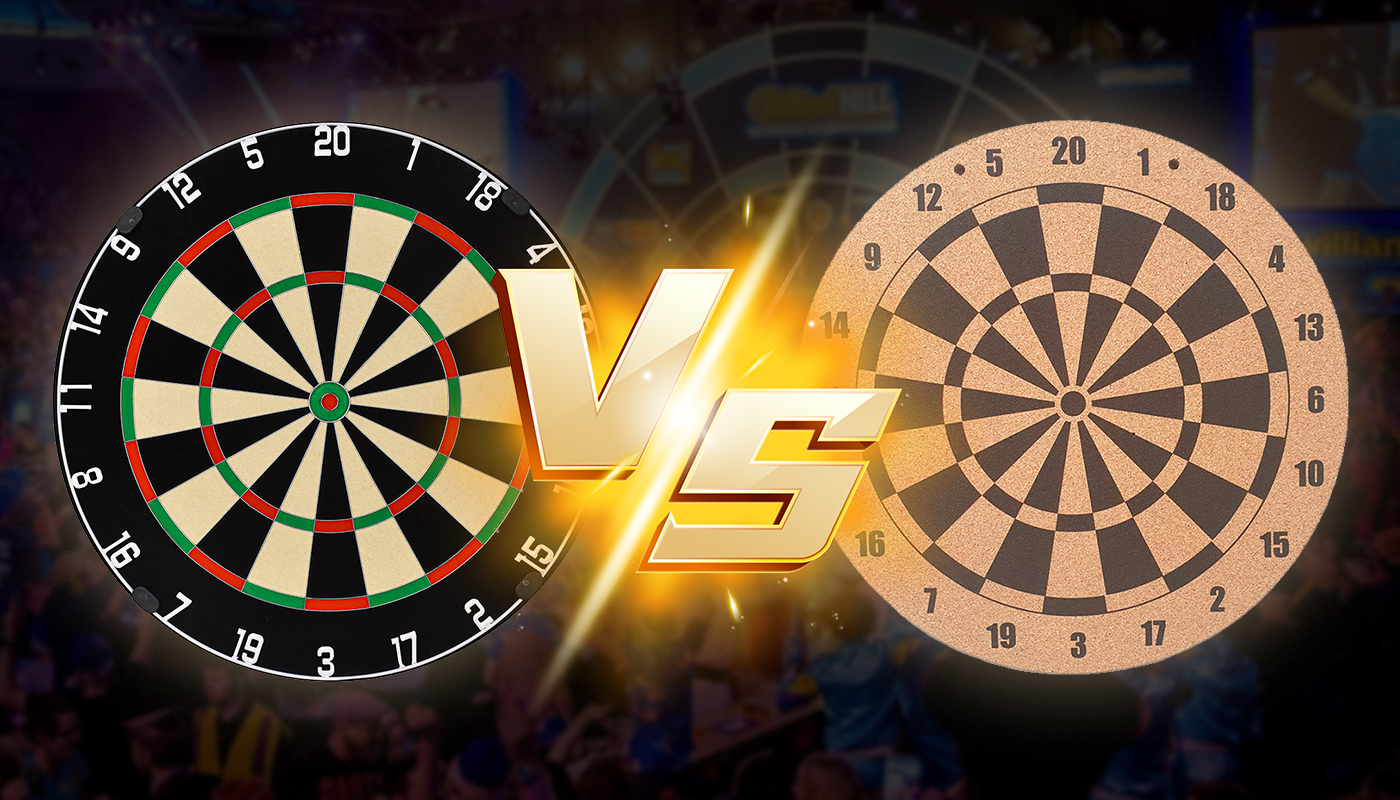
Choosing between a bristle or sisal dartboard should focus on fiber density and build quality, not the name alone.

Credit: mydartpfeil.com
Credit: www.skipjackdarts.com
Frequently Asked Questions
What Is The Difference Between A Bristle And A Sisal Dart Board?
A bristle dartboard and a sisal dartboard are the same, both made from compressed sisal fibers. High-quality sisal boards offer better durability and self-healing, while lower-end bristle boards are less dense and wear faster but remain budget-friendly options.
What Is The Best Material For A Dartboard?
The best dartboard material is compressed sisal fibers, also called bristle. It offers durability, self-healing holes, and consistent performance. High-quality sisal boards provide longer life and fewer bounce-outs, making them ideal for serious players and professionals.
Are Bristle Dart Boards The Best?
Bristle dartboards, made from compressed sisal fibers, are durable and self-healing. They offer excellent performance and low bounce-outs, making them ideal for serious players. However, quality varies by price, so choose a dense, professional-grade board for the best experience.
Why Are Dartboards Made Of Sisal?
Dartboards use sisal because its dense fibers self-heal after dart removal, ensuring durability and long lifespan. Sisal also provides consistent dart grip and reduces bounce-outs, making it ideal for accurate play and professional use.
Conclusion
Choosing between bristle and sisal dartboards depends on your needs. Both types use sisal fibers, ensuring durability and self-healing. Higher-quality sisal boards last longer and offer better play. Budget options may wear faster but still feel authentic. Consider your budget, usage, and performance preferences.
Either way, you get a solid board for fun and practice. Playing darts becomes more enjoyable with the right board under your darts.