
Have you ever wondered how tranquilizer darts manage to safely subdue wild animals without causing permanent harm? If you’re curious about the science and mechanics behind these fascinating tools, you’re in the right place.
Understanding how tranquilizer darts work can reveal a surprising blend of chemistry, precision, and careful timing that makes them effective—and why they’re not commonly used on humans. Stick with me as we break down what’s inside a dart, how it delivers its sedative, and the reasons behind their careful use.
By the end, you’ll see tranquilizer darts in a whole new light.
Tranquilizer Dart Basics
Tranquilizer darts are small, lightweight projectiles used to sedate animals remotely. They allow veterinarians, wildlife professionals, and conservationists to handle animals safely without direct contact.
Each dart is designed to deliver a precise dose of sedative. Understanding the mechanics behind these darts can be surprisingly similar to learning the mechanics of a dartboard game. For instance, just like mastering 501 darts requires accuracy and timing, delivering a tranquilizer safely demands precision in both aim and dosage.
Design and Components
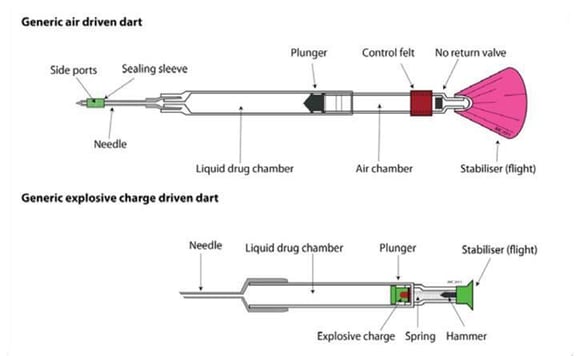
A typical tranquilizer dart consists of:
Hollow needle tip: Injects the sedative into the target.
Chamber: Holds the sedative liquid.
Propulsion mechanism: A pressurized gas or spring pushes the drug out.
Stabilizers: Small fins or parachutes ensure accurate flight.
These features ensure that the dart delivers its sedative safely and accurately—much like how dart flights stabilize your throw in games like Around the Clock darts.
Types Of Sedatives Used
The sedatives in tranquilizer darts vary by animal and situation. Common drugs include ketamine, medetomidine, and xylazine. These drugs calm the animal quickly and reduce stress.
Each drug works differently. Some cause sedation, while others induce muscle relaxation. Veterinarians select the right sedative based on animal size and health.
Mechanism Of Injection
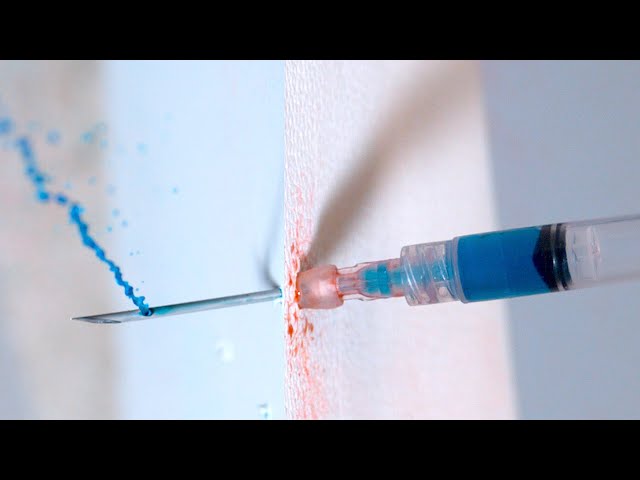
When fired, the dart hits the animal and injects the sedative through the needle. Pressure inside the dart forces the liquid into the muscle or bloodstream. The drug then spreads, causing sedation.
The needle retracts or falls out after injection to avoid injury. The animal feels minimal pain and quickly becomes calm. This method allows safe handling or transport afterward.
How Sedatives Affect The Body
Tranquilizer darts deliver sedatives that calm and immobilize animals. These drugs act quickly on the nervous system. They reduce awareness and cause relaxation. The body slows down, making movement difficult. Sedatives help in safely capturing or treating wild animals.
The effects depend on the type of sedative used. Each drug interacts differently with body systems. Understanding these effects helps explain how tranquilizer darts work effectively.
Pharmacological Action
Sedatives mainly target the brain and spinal cord. They affect chemicals that control nerve signals. By slowing these signals, sedatives reduce anxiety and pain. Muscles relax, and reflexes weaken. This calming effect makes the animal less likely to resist.
Common sedatives include drugs like ketamine and medetomidine. Each drug changes body functions in specific ways. The choice depends on the animal and situation.
Onset Time And Duration
The time sedatives take to work varies. It usually takes a few minutes after injection. Some drugs act faster, while others take longer. Duration depends on the drug and dose given.
Animals remain sedated for a set time. This allows handlers to work safely. After the effect wears off, animals regain normal movement and awareness.
Factors Influencing Effectiveness
Effectiveness depends on multiple factors. The animal’s size and weight matter a lot. Larger animals may need higher doses. Health and stress levels also affect how the drug works.
Environmental conditions like temperature can influence sedation. Cold weather may slow drug absorption. Accurate dosing and proper dart placement are crucial. These ensure the sedative reaches the bloodstream quickly.
Challenges In Using Tranquilizer Darts
Using tranquilizer darts involves several challenges that affect their effectiveness and safety. These darts require careful handling to ensure the subject is safely sedated without harm. The process is complex and risky, especially outside controlled environments. Understanding the difficulties helps explain why tranquilizer darts are not widely used in urgent situations.
Dosage Complexity
Determining the correct dose is difficult. The right amount depends on the animal’s or person’s weight and health. Metabolism and drug use also change how the drug works. Too much can be deadly, while too little may not work. Emergency situations make calculating doses nearly impossible. This complexity limits tranquilizer dart use.
Delayed Incapacitation
Tranquilizers do not act immediately. It takes several minutes for them to take effect. During this time, the target may still be aggressive or escape. This delay makes darts risky for quick control. Immediate action tools are often preferred for safety.
Health Risks And Side Effects
Tranquilizer drugs carry health risks. They can cause breathing problems or heart issues. Some subjects react badly to the chemicals used. Side effects may last long after sedation. Proper monitoring is necessary to avoid serious harm. These risks add to the challenges of tranquilizer dart use.
Credit: mixlab.com
Why Police Avoid Tranquilizer Darts
Police rarely use tranquilizer darts during arrests or emergencies. The main reasons include safety, effectiveness, and legal concerns. Tranquilizer darts are designed for animals, not humans. This creates many problems when applied in law enforcement. Officers need quick, reliable tools. Tranquilizers do not meet these needs.
Unreliability In Field Conditions
Tranquilizer darts work slowly. They can take several minutes to take effect. During this time, a suspect may attack or flee. Doses depend on body weight and health. Police cannot know these details quickly. Incorrect doses can cause no effect or harm. The unpredictable results make darts risky for officers and suspects.
Legal And Liability Concerns
Using tranquilizer darts on people raises many legal issues. An overdose can cause serious injury or death. Police may face lawsuits or criminal charges. The risk of harming a person is high. Courts often hold officers responsible for misuse. This legal risk discourages police from using darts.
Human Safety Considerations
Tranquilizer drugs affect people differently than animals. Some may have allergies or medical conditions. The wrong drug or dose can cause severe problems. Officers need safe tools that minimize risk. Tasers and pepper spray act faster and safer. Protecting human life is a top priority for police.
Alternatives To Tranquilizer Darts
Tranquilizer darts are common for animal control but not ideal for all situations. Other tools offer faster or safer ways to control or deter. These alternatives work differently and suit various needs. They provide options when tranquilizer darts are impractical or risky.
Tasers And Their Advantages
Tasers deliver an electric shock to stop a person immediately. They work in seconds, causing temporary muscle paralysis. This quick effect reduces risk of harm or escape. Tasers are easy to carry and use in many situations. They do not require precise dosage or medical knowledge. This makes tasers a reliable choice for law enforcement.
Pepper Spray Usage
Pepper spray irritates the eyes and skin, causing pain and tears. It incapacitates a person without lasting harm. Spray can be used from a distance, keeping users safe. It is compact and simple to carry on the body. Effects last only a few minutes, allowing quick recovery. Pepper spray is common in self-defense and crowd control.
Other Less-lethal Options
Other tools include rubber bullets, bean bag rounds, and stun grenades. These cause pain or disorientation but avoid deadly harm. They provide options when tasers or spray are not suitable. Less-lethal weapons require training for safe use. They help manage dangerous situations with reduced risk of injury. Choosing the right tool depends on the situation and users’ skills.

Credit: www.techeblog.com
Applications Beyond Law Enforcement
Tranquilizer darts have uses beyond law enforcement. They play vital roles in many fields. These darts help professionals manage animals safely and humanely. Their ability to sedate animals from a distance makes them valuable in various settings.
Wildlife Management
Wildlife experts use tranquilizer darts to capture animals safely. This helps avoid stress and injury to animals and humans. Darts allow relocation of animals from dangerous areas. They also help control animal populations in a natural way. Managing wildlife becomes easier and less harmful with these tools.
Veterinary Medicine
Veterinarians use tranquilizer darts to treat large or wild animals. It is hard to approach these animals without sedation. Darts enable safe examination and medical care. They help in surgeries and vaccinations too. This method reduces risk and improves animal welfare.
Research And Conservation
Researchers rely on tranquilizer darts to study wild animals. Sedating animals helps collect samples and data safely. Conservationists use darts to tag and track animals. This aids in understanding animal behavior and habitat needs. It supports efforts to protect endangered species.
Future Innovations
The future of tranquilizer darts promises exciting advancements. Innovations aim to make these tools more effective and safer. Research focuses on improving how darts deliver sedatives and creating better drug formulas. Scientists explore new uses beyond wildlife management. These developments could change the way tranquilizer darts work.
Improved Delivery Systems
Delivery systems will become more precise and reliable. New dart designs will reduce pain and injury on impact. Advances in propulsion technology will increase accuracy over long distances. Smart darts could adjust dosage based on the target’s size and condition. These improvements will enhance safety for both animals and humans.
Safer Sedative Formulations
Researchers work on developing safer sedatives with fewer side effects. Formulations will act faster and wear off quicker. New drugs may reduce the risk of overdose and complications. Natural and biodegradable ingredients could replace current chemicals. Safer sedatives will protect animal welfare during capture and treatment.
Potential Human Use Developments
Some experts consider adapting tranquilizer darts for human medical use. Emergency medicine could benefit from quick, remote sedation techniques. Non-lethal crowd control may use improved darts with precise dosing. Strict safety standards will guide human applications. These ideas remain experimental but hold future promise.
Credit: www.youtube.com
Frequently Asked Questions
How Long Does It Take Tranquilizer Darts To Work?
Tranquilizer darts typically take 3 to 10 minutes to immobilize the target. The exact time depends on the drug, dosage, and animal size.
What Are Tranquilizer Darts Filled With?
Tranquilizer darts contain sedative drugs like ketamine, medetomidine, or diazepam. These chemicals calm or immobilize animals quickly.
Why Don’t Cops Use Tranquilizer Darts?
Police avoid tranquilizer darts due to unpredictable dosage, slow effect, high risk of overdose, and legal liabilities. Tasers offer faster, safer control.
How Long Do Tranq Darts Last?
Tranq darts typically last several hours once administered, depending on the drug and dosage used. Their effects wear off gradually.
Conclusion
Tranquilizer darts deliver drugs that calm or sedate animals quickly. They rely on precise doses to work safely and effectively. The darts inject medicine through a needle using air pressure. Effects usually start within minutes, helping experts handle animals without harm.
Understanding how tranquilizer darts function helps appreciate their careful use. These tools balance safety with the need to control wild or injured creatures. Always remember, trained professionals should handle tranquilizer darts to avoid risks. They play a key role in wildlife management and veterinary care.